
Every manufacturer runs on the same chain of handoffs: engineering, operations, quality, service. At every step, skilled people burn hours on repetitive paperwork instead of the work they were hired for. The plant absorbs it as a cost of doing business, and calls the people who hold it together heroes.
In this session, Jing Ma of Tabbird broke down what AI agents actually are, why they have become affordable for small and mid-size manufacturers, and the three concrete places they win margin back.
“Hardware isn’t hard anymore. Ask anyone who walked IMTS this year.”
The state of the plant floor
Jing opened with a report from IMTS, the biannual manufacturing show, where Tabbird’s team spoke with over 500 of 1,700 exhibitors. The takeaway: hardware is not hard anymore. Collaborative robots now handle machine tending and complex welding with more flexibility than a human arm.
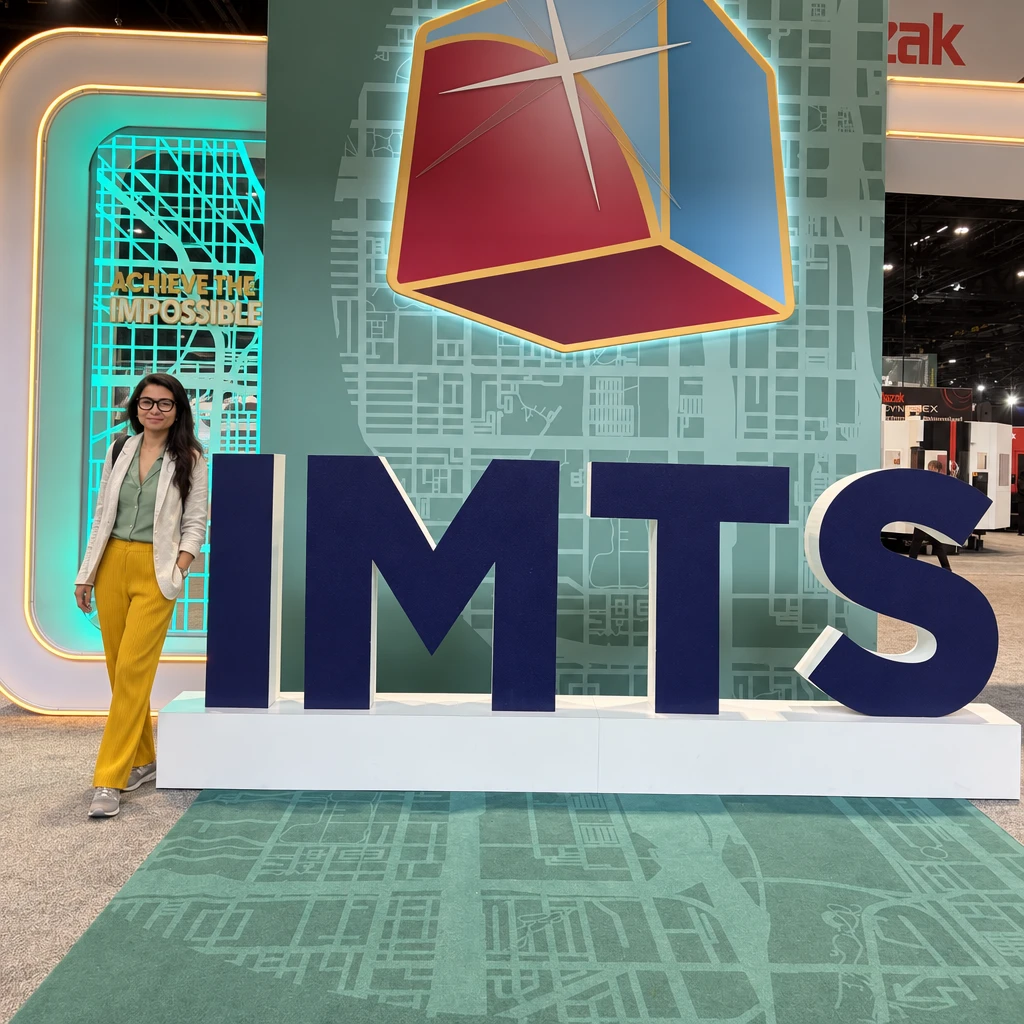
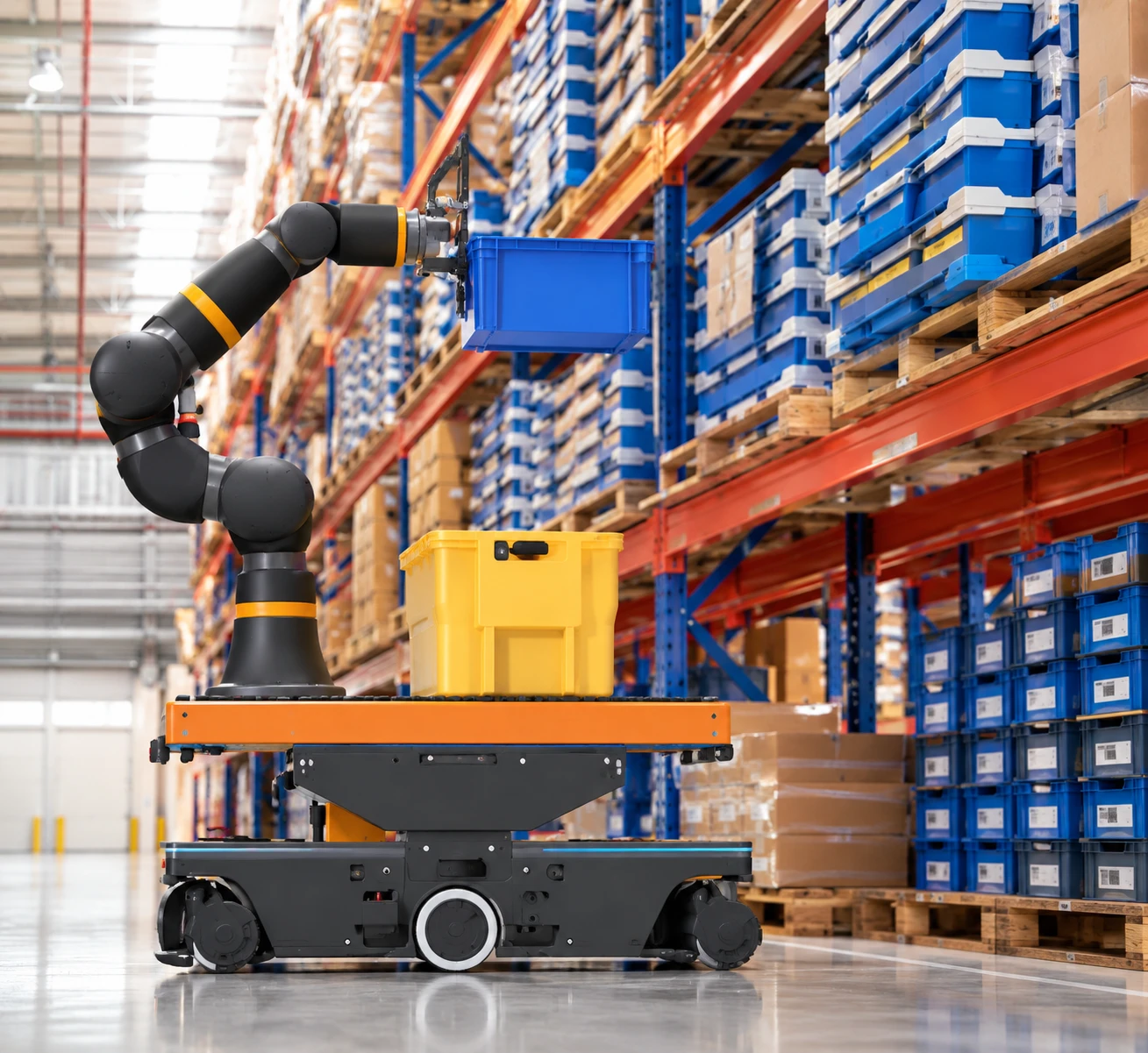
The AGVs that used to cost $10,000 to $20,000 each can now be built from a kit bolted onto an ordinary cart. With the labor-intensive work already automated, the conversation on the floor has shifted to where the margin still leaks: the repetitive, non-value-added paperwork handled by engineers and technical teams.
“Ten engineers, three months, in 2021. Three engineers, three weeks, in 2026. Same workflow.”
Why now — the cost collapsed
Machine learning has been in engineering for two decades. What changed is cost. In 2021, automating a simple credit-approval workflow at AWS took ten engineers and scientists, and three months. In 2026, the same workflow takes three engineers and three weeks. The driver is data labeling, once the biggest line item, now largely automated by large language models.
A second example. A grain-recognition algorithm took 18 months in 2019 to reach roughly 78% precision and recall; an out-of-the-box image model today starts near 69%. The baseline rose, and the development effort for every new application fell with it.
That is what puts AI within reach of small and mid-size manufacturers, not just big tech. Which brings us to where that reach actually pays for itself.

Related posts

Hello, Telemetry Agent
Run diagnostics, across fleets, in minutes
Tabbird AI Agents can now link and analyze telemetry data from connected factories, equipment, and vehicles — so engineers can test a hunch against the whole fleet in minutes, not weeks.
July 8th, 2026

Ending the Prioritization Debate
Are We Fixing the Right Thing?
Prioritization isn't a ranked backlog you sort once — it happens at every technical decision point. Here's how connecting unstructured field claims with fleet telemetry replaces “past experience” with ground truth.
August 28th, 2026